

The cultural influence of casinos on modern society
The historical evolution of gambling
The history of gambling is deeply woven into the fabric of human civilization. From ancient civilizations in Mesopotamia and China, where dice games were played, to the structured establishments of modern casinos, gambling has always served as a form of entertainment. Enthusiasts can explore exciting options like Maestro mobile play, which reflects shifts in societal norms, technological advancements, and economic conditions. As societies transformed, so did the forms and perceptions of gambling, moving from informal gatherings to lavish venues that attract millions.
In the past, gambling was often associated with negative connotations, linked to vice and morality. However, as cultures evolved, particularly in the 20th century, casinos began to be viewed through a lens of leisure and tourism. This transition was pivotal, allowing gambling to become a mainstream activity enjoyed by diverse demographics, and thus influencing cultural attitudes toward risk and reward.
The social fabric of casino culture
Casinos have emerged as significant social hubs where communities gather, and this influence has permeated various aspects of modern culture. They offer more than just games; they serve as venues for entertainment, dining, and social interaction. The vibrant atmosphere of casinos fosters connections among people, creating a unique social dynamic that transcends age, background, and geographic boundaries.
Moreover, the presence of casinos has sparked discussions around responsible gaming and addiction. This has led to the development of support systems and educational programs aimed at promoting safer gambling practices. As a result, casinos are not just places for chance but are also evolving into community-centric establishments that prioritize the well-being of their patrons.
The influence of casinos on popular culture
The portrayal of casinos in popular culture has significantly shaped public perception. Movies, television shows, and literature often depict glamorous lifestyles intertwined with the thrill of gambling. This representation has led to a romanticized view of casinos, contributing to their allure and drawing in audiences who may not typically engage in gambling.
Furthermore, iconic films and television series have established casinos as symbols of wealth, excitement, and risk. This cultural depiction has led to increased tourism in regions known for their casino offerings, prompting local economies to thrive. As such, the intersection of casinos and popular culture reinforces their influence on modern society, making them focal points for both entertainment and economic growth.
The psychological aspects of gambling
The psychological impact of gambling is a fascinating aspect of its cultural influence. For many, engaging with casinos provides an escape from daily routines, offering a rush of adrenaline and a chance to dream big. The thrill of potential winnings taps into fundamental human emotions, driving individuals to seek out these experiences as forms of entertainment and sometimes as coping mechanisms for stress or anxiety.
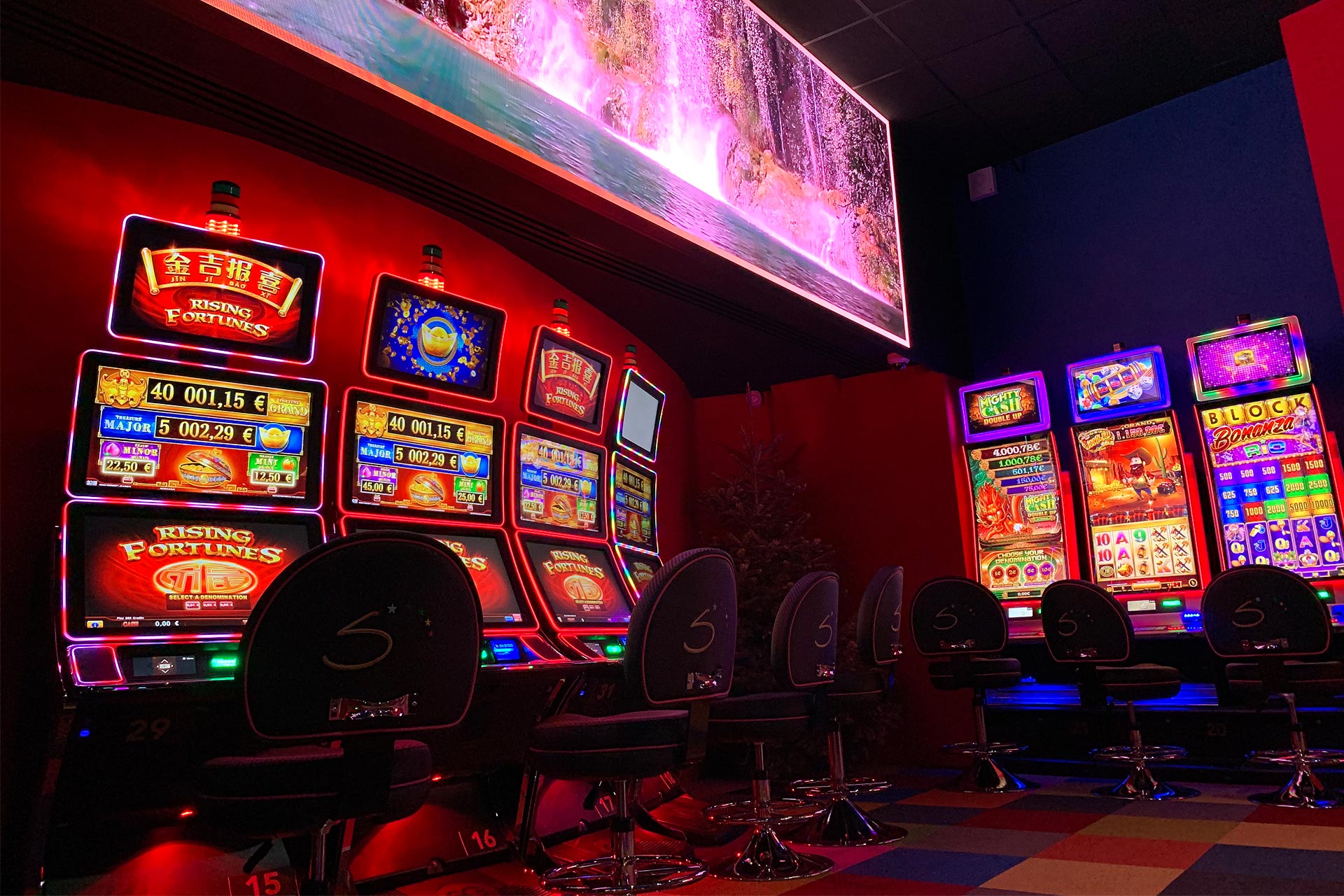
Additionally, the design of casinos often plays on these psychological elements, with vibrant lights, sounds, and layouts crafted to enhance excitement and prolong engagement. This strategic design not only attracts visitors but also encourages them to spend more time and money. Understanding these psychological factors helps to clarify the allure of casinos and their significant role in modern leisure activities.
Discovering innovative gaming experiences
The evolution of casinos has also given rise to innovative gaming experiences that reflect changing consumer preferences. With the advent of technology, online casinos have become increasingly popular, offering a convenient alternative to traditional establishments. Players can now enjoy casino games from the comfort of their homes, which has further integrated gambling into everyday life.
These advancements are reshaping the cultural landscape of gaming, as mobile apps and live dealer games create a more personalized and interactive experience. The rise of social gambling also highlights a shift toward community engagement within online platforms, demonstrating that the cultural influence of casinos extends beyond physical spaces into the digital realm.